Source Injection Moldable Custom Insole for Sports, Gym, and Skateboarding
Compare 30 listings for injection moldable custom insole options featuring arch support, high rebound, and impact resistance. Buyers can evaluate materials like sponge and PU foam, customization services, and certifications such as BSCI and ISO for various athletic applications; compare the available evidence and request quotations based on your requirements.
Key considerations
Products List
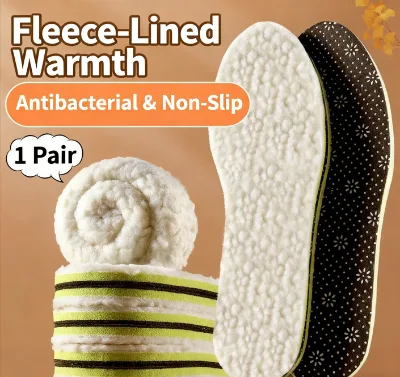


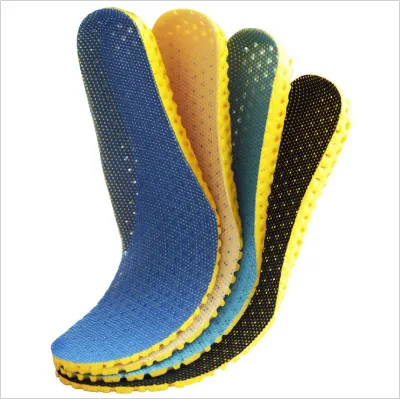


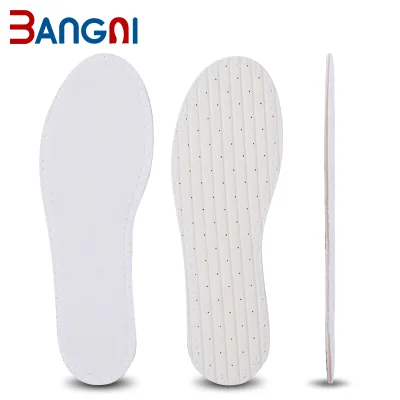


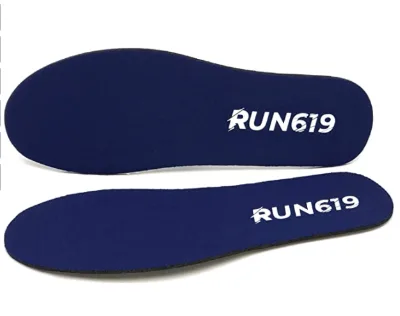


Comprehensive Sourcing Guide
Injection Moldable Custom Insole Sourcing Guide
Sourcing injection moldable custom insoles requires a nuanced understanding of material science and manufacturing precision. These products typically utilize thermoplastic polymers that soften under heat, allowing for personalized molding to individual foot arches and pressure points. Buyers must distinguish between pre-molded orthotics and true injection-molded components, as the latter offer superior consistency and durability for high-volume production. The process involves precise temperature control and pressure application to ensure the material retains its structural integrity after cooling.
Procurement teams should evaluate suppliers based on their ability to handle complex geometries and maintain tight tolerances. The customization aspect is critical, as each mold may require unique adjustments to accommodate specific biomechanical needs. It is essential to verify that the supplier has experience with both the molding machinery and the post-processing steps, such as trimming and surface finishing. This ensures that the final product meets both functional requirements and aesthetic standards expected in the medical or athletic footwear markets.
Product Scope and Observed Listing Signals
The current market landscape for custom insoles reveals a diverse range of product attributes and specifications. Observed listings indicate a price range of $0.26 to $20 USD, with minimum order quantities varying significantly from 10 to 5,000 units. This wide variance suggests a mix of low-volume custom orders and high-volume standard production runs. Buyers should note that the term "custom" can refer to either personalized fitting services or bespoke manufacturing designs, so clarifying the exact nature of customization is vital before engaging with suppliers.
Product names and keywords in the market include jogging sports orthotic insoles, gym sport orthotic insoles, and flat foot orthotic insoles. Materials observed range from sponge and PU foam to fabric and unspecified "other" materials. Some listings highlight features like arch support, foot protection, and high rebound properties. The presence of certifications such as BSCI and ISO indicates that some suppliers adhere to specific social and quality management standards. Buyers must carefully cross-reference these claims with actual product samples to ensure alignment with their specific procurement needs.
Technical Specifications to Verify
Verifying technical specifications is paramount when sourcing injection moldable insoles, particularly regarding material composition and dimensional accuracy. Buyers should request detailed material data sheets to confirm the type of polymer used, its melting point, and its recovery rate after molding. Specifications such as EUR sizes ranging from 35 to 46 are common, but custom molds may require unique dimensions. It is crucial to verify that the supplier can maintain consistency across batches, especially when dealing with high-density or high-rebound materials that affect the molding process.
Packaging and labeling standards also play a significant role in the technical evaluation. Observed packaging options include plastic bags, blister cards, and PVC boxes, with some suppliers offering customized packaging solutions. The standard product dimensions noted in some listings are 30x10x4 cm, but this may vary based on the insole design. Buyers should confirm whether the supplier provides prototype samples for testing, as this allows for a practical assessment of the material's moldability and fit. Ensuring that the technical specifications align with the end-user's requirements will prevent costly rework and returns.
Compliance and Safety Documentation
Compliance and safety documentation are non-negotiable elements in the procurement of orthotic insoles, especially for medical or athletic applications. Buyers must ensure that suppliers provide valid certificates, such as BSCI for social compliance and ISO for quality management systems. These certifications indicate that the supplier adheres to recognized standards in manufacturing processes and ethical labor practices. It is important to verify the validity and scope of these certificates, as they may not cover all aspects of the production line or specific product lines.
In addition to general certifications, buyers should inquire about specific safety standards related to the materials used. For instance, if the insoles are intended for direct skin contact, compliance with dermatological safety standards is essential. Buyers should request test reports that confirm the absence of harmful substances and the material's hypoallergenic properties. While some listings mention certifications, buyers must independently verify these claims through official channels or third-party audits. This due diligence helps mitigate risks associated with product liability and ensures that the insoles meet regulatory requirements in the target market.
Cost Drivers and Commercial Terms
Understanding the cost drivers and commercial terms is essential for effective budgeting and negotiation in the insole sourcing process. Key factors influencing cost include the complexity of the mold design, the volume of production, and the type of material used. High-density or specialized polymers may incur higher material costs, while intricate designs can increase molding time and labor expenses. Buyers should also consider the cost of customization, such as logo printing or unique packaging, which can add to the overall unit price.
Commercial terms such as minimum order quantities (MOQs) and lead times significantly impact procurement planning. Observed MOQs range from 10 to 5,000 units, offering flexibility for both small and large orders. Buyers should negotiate clear terms regarding sample costs, with some suppliers offering free samples for one pair. It is advisable to establish a transparent pricing structure that accounts for tooling fees, production costs, and shipping expenses. Clear communication regarding payment terms and delivery schedules will help avoid unexpected costs and ensure a smooth procurement process.
Supplier Qualification and Quality Control
Supplier qualification and quality control are critical steps in ensuring the reliability and consistency of injection moldable custom insoles. Buyers should conduct thorough due diligence on potential suppliers, assessing their manufacturing capabilities, quality management systems, and track record. It is important to verify that the supplier has the necessary equipment and expertise to handle injection molding processes with precision. Suppliers with OEM and ODM services may offer greater flexibility in design and customization, but buyers must ensure that these services are backed by robust quality control measures.
Quality control protocols should include regular inspections of raw materials, in-process checks during molding, and final product audits. Buyers should request information on the supplier's defect rate and their procedures for handling non-conforming products. Establishing a clear quality agreement that defines acceptable tolerances and testing methods is essential. Additionally, buyers may consider conducting third-party inspections or audits to verify the supplier's claims. This proactive approach to quality control helps minimize risks and ensures that the final products meet the specified standards and performance expectations.
Long-Term Procurement Checks
Long-term procurement checks are necessary to maintain the quality and reliability of the supply chain for injection moldable custom insoles. Buyers should establish a periodic review process to assess supplier performance, including metrics such as on-time delivery, product quality, and responsiveness to issues. Regular communication with suppliers can help identify potential problems early and foster a collaborative relationship. It is also important to stay updated on industry trends and technological advancements that may impact the sourcing strategy, such as new materials or molding techniques.
Continuous improvement initiatives should be encouraged, with buyers providing feedback on product performance and suggesting areas for enhancement. Buyers should also monitor market conditions and regulatory changes that may affect the sourcing of insoles, such as new safety standards or trade policies. By maintaining a proactive and adaptive approach to procurement, buyers can ensure a stable and efficient supply chain. This long-term perspective helps in building a resilient partnership with suppliers, ultimately leading to better product outcomes and cost efficiencies.
FAQs
Can I get custom logos on these orthotic insoles?
Yes, customized logo printing is available for these orthotic insoles. You can request specific branding on the product surface. This service supports OEM and ODM requirements for bulk orders. The customization process allows for unique designs while maintaining the high-density sponge or PU foam structure for durability.
What certifications do these insole manufacturers hold?
The listed products hold BSCI and ISO certifications. These standards verify ethical labor practices and quality management systems. Buyers can request documentation to confirm compliance before placing orders. The certifications apply to the manufacturing facilities in Beijing and Jiangsu, China.
How much is the minimum order quantity for these insoles?
The minimum order quantity ranges from 10 to 5000 pieces depending on the specific model. Some items allow for single item purchases as samples. Bulk orders typically start at higher quantities to ensure cost efficiency. Please check the specific product page for the exact MOQ applicable to your selected model.
Which materials are used for these sports orthotic insoles?
The insoles are primarily made from sponge and PU foam materials. These materials provide high rebound and impact resistance for athletic use. Some variants also utilize fabric for added comfort. The high-density composition ensures long-lasting arch support during jogging or gym activities.
Can I get free samples before placing a large order?
Yes, free samples are available for one pair of insoles. This allows buyers to test the quality and fit before committing to bulk purchases. The sample service applies to specific models like the jogging sports orthotic insoles. Shipping costs for samples may vary based on the destination location.
What sizes are available for these unisex orthotic insoles?
The insoles are available in EUR sizes ranging from 35 to 46. This wide range accommodates various foot sizes for unisex applications. The sizing covers standard adult footwear requirements for sports and daily wear. Custom sizing options may be available upon request for specific bulk orders.
How are these insoles packaged for shipment?
Packaging options include plastic bags, bags, PVC boxes, or blister cards. Customized packaging is also available to meet specific branding needs. The standard packing dimensions are approximately 30x10x4 cm for individual units. Roll material packaging is used for bulk supply of the raw sponge or foam components.